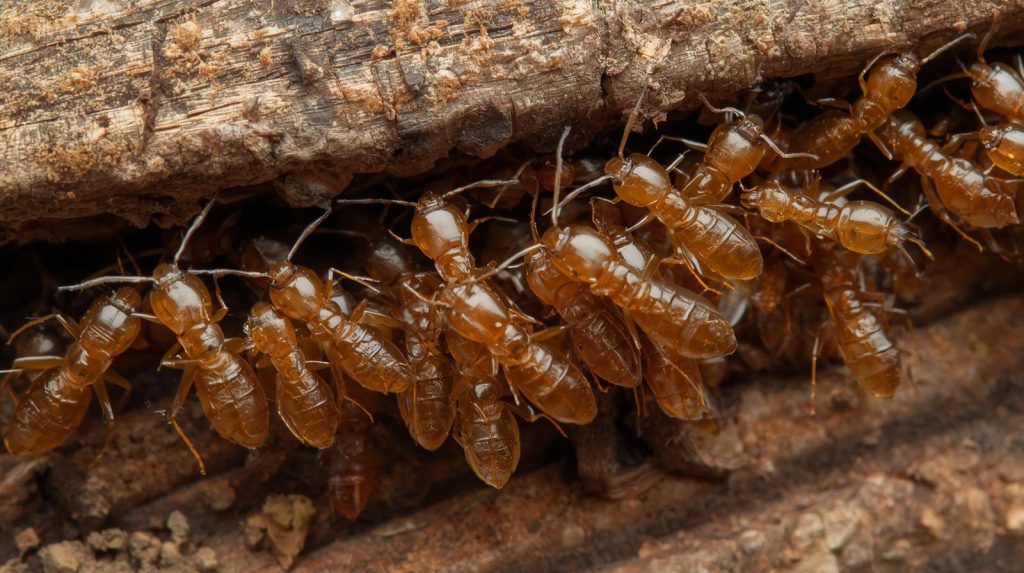
Fact: Termites can travel long distances underground to reach your home, and they are capable of finding their way through even the smallest cracks in a concrete slab. This is exactly why so many Kenyan property owners are caught off guard by termite infestations. Termites do not need an open door to get in. All they need is a tiny gap, a patch of damp soil, or a piece of untreated timber touching the ground, and they will find it.
At Pestraid Kenya, we understand that protecting your property from termites is not just about treating an infestation after it happens. True protection means putting the right barriers, habits, and preventative measures in place before termites ever get the chance to establish themselves. Whether you are building a new home, maintaining an existing property, or trying to prevent a repeat infestation, Pestraid Kenya has the expertise and treatment methods to keep your property protected.
📞 Call Pestraid Kenya today on 0710 907 628
📧 Email: sales@pestraid.co.ke
Why Termite Protection Matters
Termite damage is one of the most costly and least visible threats a property owner can face. Because termites operate below ground and within wall cavities, an infestation can be active for months or even years before any visible sign appears. By the time damage is noticed, structural timber, skirting boards, door frames, and even furniture may already be compromised.
Unlike many other forms of property damage, termite damage is typically not covered under standard home insurance policies in Kenya. This means the full cost of repairs usually falls on the property owner. Investing in proper termite protection from the outset is a far more affordable and practical approach than dealing with extensive structural repairs later on.
Professional Termite Protection Methods from Pestraid Kenya
Pestraid Kenya offers several proven methods to help protect your building or structure against termite invasion. Our technicians assess each property individually and recommend the most suitable protection method based on your building’s construction, age, and surrounding environment.
Chemical Termite Barrier
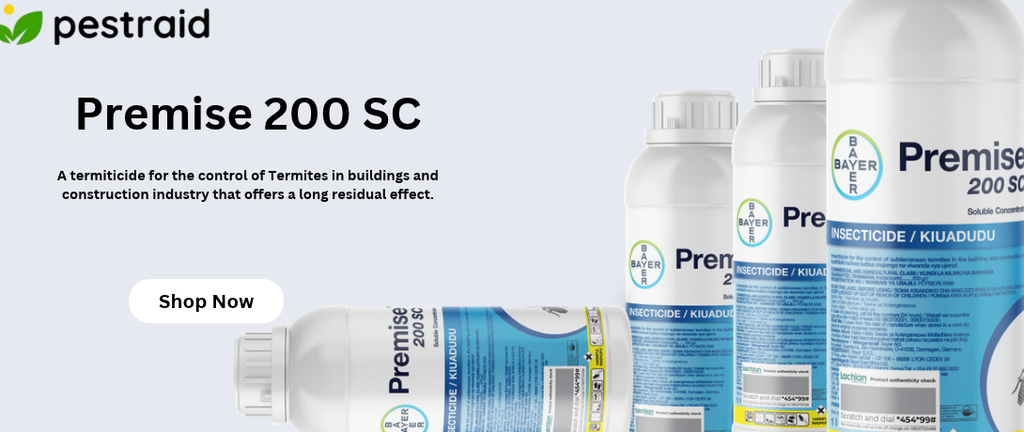
One of the most effective and widely used termite protection methods is the chemical termite barrier. This involves applying a specially formulated liquid chemical treatment to the soil, either underneath concrete flooring or around the entire perimeter of the building’s foundation.
This creates a continuous protective zone that termites cannot cross without being exposed or eliminated, effectively cutting off their access route from the soil into the structure above. One of the major advantages of a chemical termite barrier is that it can be applied at any stage of a building’s life, whether the property is brand new, recently renovated, or has been standing for decades. This flexibility makes it one of the most practical and reliable termite protection solutions available to property owners across Kenya.
Practical Prevention Tips: How to Reduce Your Risk of Termite Infestation
Professional chemical treatment is highly effective, but termite protection is most successful when combined with good property maintenance habits. Many termite infestations begin because of everyday conditions around a home or business that unintentionally attract termites. Below are practical, expert recommended steps every property owner in Kenya should follow.
Remove Stored Timber, Debris and Cellulose Materials
Storing timber against or underneath your house, or leaving it on bare soil around the property, creates an attractive food source and potential nesting site for subterranean termites. Piles of timber and debris can also conceal early signs of termite activity, allowing an infestation to grow undetected. Clear away timber offcuts, dead leaves, and other cellulose based debris from around your property regularly.
Repair Leaking Taps and Pipes
Leaking taps, pipes, and hot water overflow systems under or around your home create damp conditions that are highly attractive to subterranean termites. Moisture is one of the biggest drivers of termite activity, so repairing leaks promptly helps reduce humidity levels near your foundation and lowers the risk of termites being drawn to your property.
Keep Subfloor Vents Clear and Unblocked
Poor ventilation in subfloor areas leads to high humidity and elevated moisture levels, both of which create favourable conditions for termites. Make sure vents are never blocked by soil, plants, stored items, or building materials, and consider extraction fans in areas where natural ventilation is limited.
Redirect Water Away From the Home
Hot water systems and air conditioning units often produce overflow water that, if left unmanaged, can pool near your foundation. Ensure these overflows and stormwater runoff are properly diverted away from the sides of your house and connected to appropriate drainage.
Use Only Termite Treated Timber
Untreated timber used in garden beds, retaining walls, or fence posts acts as a direct invitation for termites. Always use termite treated timber for any structure that will be in contact with soil, and avoid placing untreated wood anywhere near your property’s perimeter.
Maintain Proper Clearance for Timber Fences and Posts
Timber fences and support posts should be constructed with at least 50mm of clearance between the timber and the soil. When timber bases breach the soil surface, termites gain undetected access. Galvanised post shoes, which elevate timber off the ground, are widely available from hardware stores and are a simple, affordable way to close off this entry point.
Keep Climbing Plants and Bushy Gardens Away From Structures
Climbing plants growing directly against a building provide termites with a hidden, undetected entry route. In addition, the root systems of certain plants can penetrate foundations, creating access points that are extremely difficult to detect or treat. Maintain at least 30cm of clearance between garden vegetation and your building’s structure, and avoid planting trees known for aggressive root systems near your home.
Remove Dead Trees and Stumps
Dead trees and stumps are ideal nesting sites for termites, offering both shelter and a ready food source close to your property. Remove dead trees and stumps entirely, or have them professionally treated to reduce the risk of termites establishing a colony nearby.
Protect and Maintain Termite Shielding
Metal strips or ant caps installed around a building’s foundation do not stop termites from attempting entry, but they do force termites into the open where their activity becomes visible during a routine inspection. Make sure any existing termite shielding on your property remains undamaged and unobstructed, since a breached shield can undermine the protection it was designed to provide.
Be Cautious With Building Alterations
Adding a pergola, a new awning or veranda, extending a concrete slab, or carrying out new plumbing work can unintentionally create a route of entry for termites, bypassing termite protection measures that were previously applied to your property. Whenever you plan renovations or additions, it is worth having Pestraid Kenya assess the impact on your existing termite protection barriers.
Leave Slab Edges and Weep Holes Exposed
For properties built on a concrete slab, it is important to leave a minimum of 75mm of slab edge exposed. Weep holes found in brickwork just above the slab should also remain visible and unobstructed. If you are landscaping around your home, avoid piling soil above the slab edge or covering weep holes with pavers, as this allows termites to gain undetected entry and bypass previously applied termite barriers.
Remove All Formwork Timber After Construction
Formwork timber left behind after construction is a common and often overlooked termite risk. Termites can attack this timber and use it as a pathway into your home. Always ensure formwork is fully removed once construction work is complete.
Your First Step: A Thorough Property Inspection
If you are concerned about termites, or simply want to confirm that your property is properly protected, the first step is always a thorough inspection carried out by trained professionals. An inspection will confirm whether termites are currently present, identify any conditions on your property that increase risk, and provide a clear basis for recommending the right protection or treatment plan.
Guesswork is not a strategy when it comes to termite protection. A professional assessment ensures that any measures you put in place, whether that is a chemical barrier, structural adjustments, or simple maintenance changes, are targeted at your property’s actual risk factors rather than applied generically.
Why Choose Pestraid Kenya for Termite Protection
- Tailored protection plans based on a genuine assessment of your property, not a one size fits all approach
- Trained, experienced technicians with strong local knowledge of termite behaviour across Kenya
- Safe, professional grade chemical treatments applied with care for your family, pets, and the environment
- Practical, honest advice on maintenance changes that reduce your long term termite risk
- Nationwide coverage, from Nairobi and Mombasa to Nakuru, Kisumu, and beyond
- Responsive, reliable customer service from first contact through to treatment
Termite protection works best as an ongoing effort, combining professional treatment with the everyday habits outlined above. Together, these measures significantly reduce the likelihood of termites ever gaining a foothold on your property, and they protect the value and structural integrity of your investment for years to come.
Wondering how to get rid of termites or how to properly protect your property from future infestation? Our Pestraid Kenya pest control experts will survey your premises and recommend a termite protection plan tailored to your specific needs.
📞 Contact Pestraid Kenya today at 0710 907 628 to arrange your termite protection survey.
📧 Email: sales@pestraid.co.ke