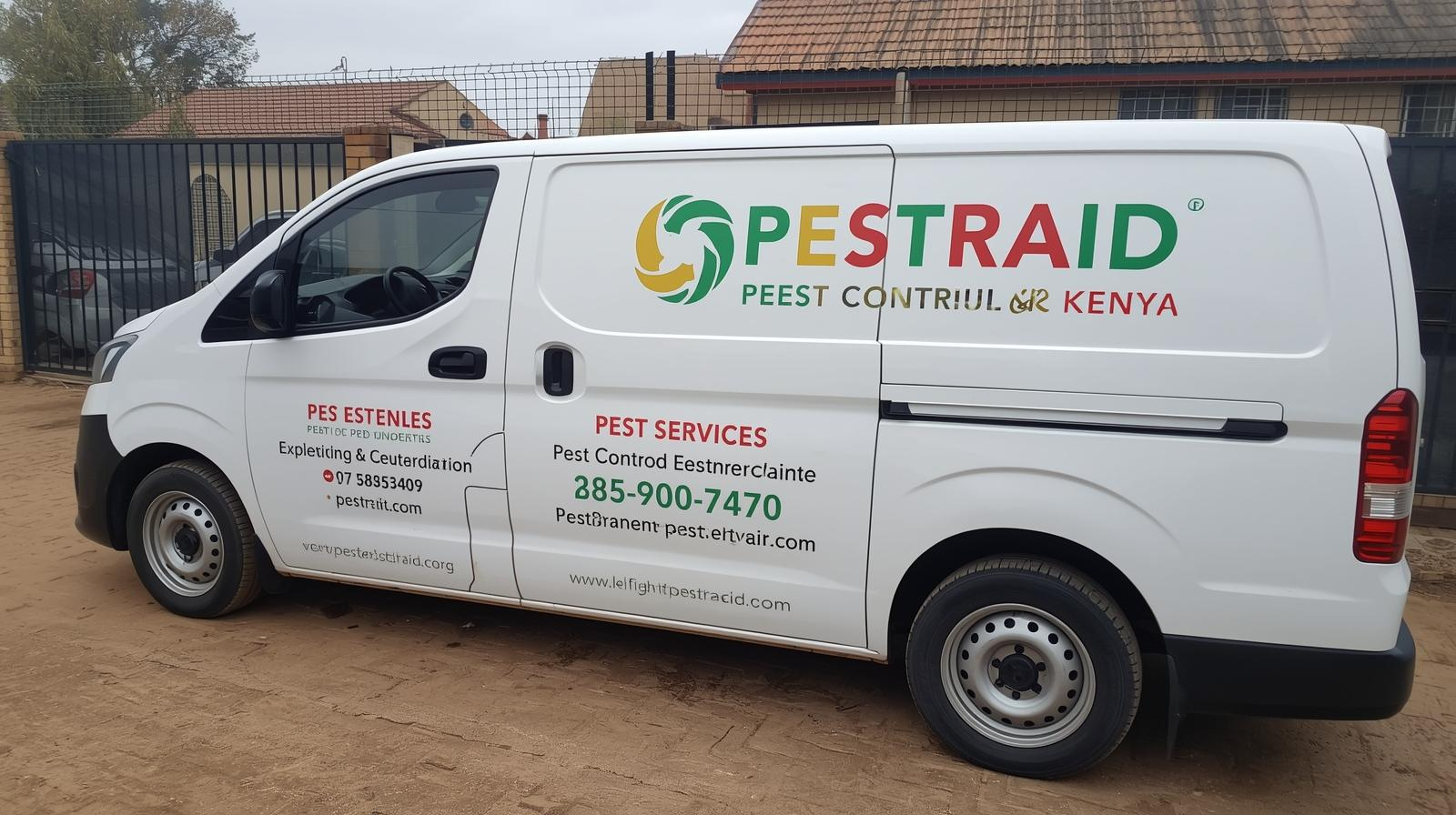
In apartment blocks, pests do not respect unit boundaries. Cockroaches travel through service ducts and bin chutes, and bed bugs move through shared walls. Treating one flat at a time keeps landlords paying for the same problem again and again. We help landlords, agents and management companies treat buildings properly.
Services for landlords
- Between-tenancy treatment so new tenants move into a pest-free unit, with a certificate for your records.
- Whole-block or whole-floor treatment for bed bugs and cockroaches, all units on the same day.
- Quarterly common-area service: bin chambers, drains, ducts, basements and parking (15% off per visit).
- Termite protection for new developments, before the slab is poured.
- Tenant notices and preparation checklists, so every unit is ready on the day.
Why treating one flat at a time fails
In an apartment block, units share walls, plumbing, service ducts, bin chutes and corridors. German cockroaches move along pipes from flat to flat; bed bugs crawl through gaps around sockets and skirting into the next unit. When one tenant treats and the neighbours do not, the pests simply move next door and come back a few weeks later. Landlords then pay again and again, tenants complain, and units get a reputation. Treating every affected unit, plus the ducts, drains and bin rooms, on the same day breaks the cycle.
How a whole-block treatment works
- Survey: we inspect a sample of units and the common areas to see how far the problem has spread.
- Tenant notice: we provide a notice and a preparation checklist for tenants a few days before.
- Treatment day: all affected units, service ducts, drains, bin chambers and stairwells are treated.
- Follow-up: a second visit 10 to 14 days later for bed bugs, and a check for cockroaches.
- Report and certificate for your records and future tenants.
Between tenancies
An empty unit is the cheapest and most effective time to treat: every cupboard and corner can be reached and there is nothing to pack away. Treating between tenancies, and handing the new tenant a fumigation certificate, prevents disputes and protects the unit’s reputation. See fumigation before moving in.
New developments
Developers can protect a building for years by treating the soil before slabs are poured. See pre-construction termite control.
Sharing costs and talking to tenants
Disagreements over who pays are one of the main reasons infestations drag on. A clear approach helps: landlords commonly cover between-tenancy treatment and building-wide problems coming from ducts, drains and common areas, while tenants cover problems they brought in. Whatever you agree, put it in the lease and treat affected units together so nobody pays twice. Our guide who pays for fumigation explains the usual arrangements.
Tenants cooperate best when they know what to expect. We provide a short notice explaining the date, why the whole block is being treated, how to prepare and how long to stay out of the unit, in English and Kiswahili on request.
Estates and towns we serve
We treat apartment blocks and rental plots across Nairobi, including Kilimani, South B, Roysambu and Eastleigh, plus Ruaka, Ruiru, Rongai, Kitengela, Machakos and Mombasa.
Prices per unit
Bed bugs or cockroaches: KSh 4,500 for a bedsitter, 5,500 for one bedroom, 6,500 for two and 7,500 for three. Whole blocks get a volume quote after a survey. See the full price list.
Read who pays for fumigation: landlord or tenant? and request a building quote.
Written and reviewed by the Pestraid Kenya technical team. Last updated .